Here's How NOT to Get Burned in Influencer Marketing
February 4, 2026
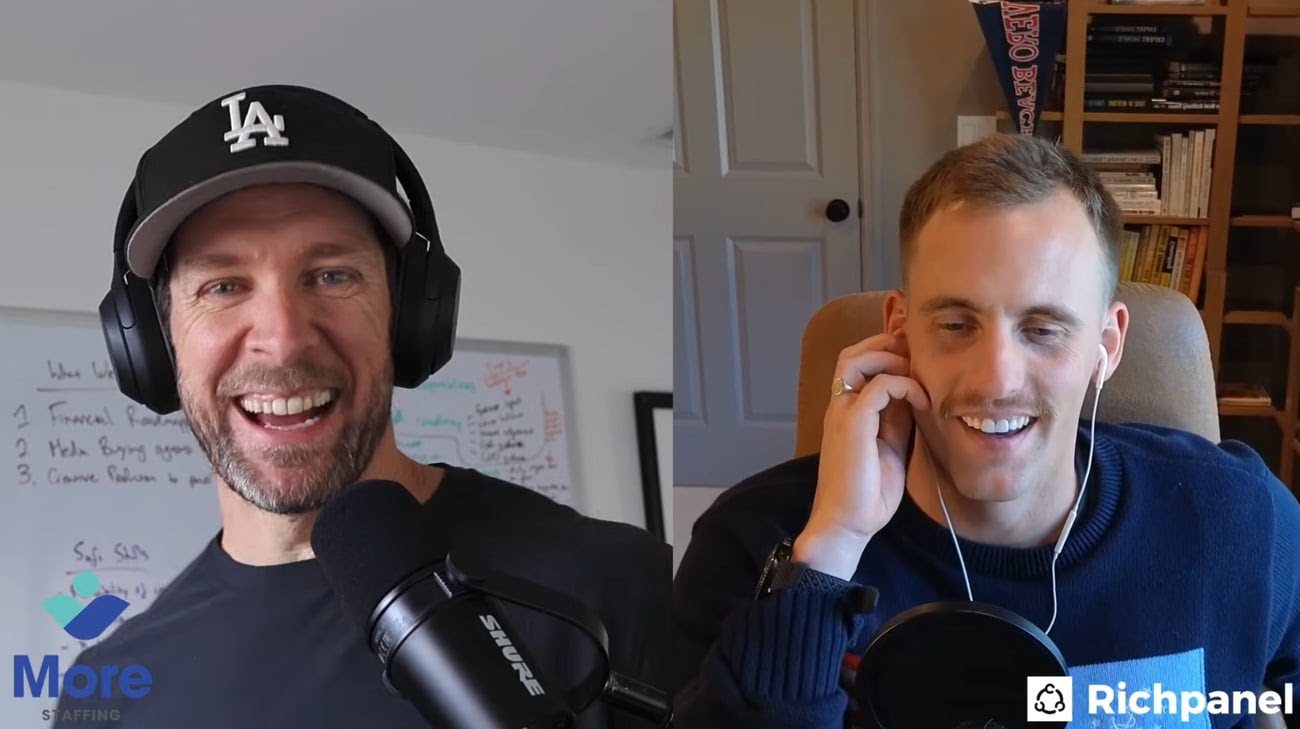
Our founder sat down with Andrew Faris to yap about how to invest in influencer at every stage of your business.
Last week I sat down with Andrew Faris to yap about how to invest in influencer at every stage of your business. Andrew asked some great questions and we covered a lot of ground, from how much to spend based on the size of your business, candid thoughts on whitelisting, what to expect of influencer rates / deliverables, and a lot more.
Below are some of the takeaways from the podcast, or you can listen to the conversation here.
Q: Should brands pay influencers to post?
Sometimes, but it depends on the size of your business. Everyone’s been burned at some point by influencer marketing thinking it’s a silver bullet and then nothing happens.
We’ve built benchmarks for what influencer levers to pull based on annual revenue. We work with everything from $6M ecom brands to billion-dollar CPG, and the approach is very different.
$0–$6M/year: Focus on product gifting. Gifting makes sense because you get content volume and creative diversity — with less control, but you get what brands say they want: creators creating in their own voice. If you pay creators, use that spend on paid usage / whitelisting rather than paying just for organic posts.
$6M–$30M/year: Continue gifting at scale, but add a paid budget primarily for whitelisting and content partnerships. You might start with ~$15k/month on paid partnerships at this stage.
$30M+/year: At this stage, you can treat influencer as a serious testing budget (i.e. $30k/month minimum) and integrate it into your overall strategy. Influencer can also support retail and in-store pushes (Costco, Target, etc.).
Regardless of where your business is at, don’t treat influencer like it’s 2015 where you “pay $1k, hope to get $5k back.” Use it for brand building, organic awareness, cheap CPMs, content usage, and a paid social creative flywheel.
Q: How much does it cost to whitelist content these days?
Whitelisting cost depends on industry competitiveness. For example, categories like supplements, outdoor, and men’s apparel are more competitive niches.
Fees for content + whitelisting could range between $500-$5,000 for about 90 days of whitelisting usage.
My advice? Don’t ask for a rate card. Set your budget first, make an offer, and then negotiate. Keep your pipeline of creators full. We often land on preferable rates because we lead with budget and have options.
Q: Where do you see the most bang for your buck with influencers?
My hot take is that mid-tier influencers are undervalued. The influencers between 100k-500k have reach, trust, and often algorithmic skill.
They’re not the celeb-level influencer that is just driving pure awareness.
Micro influencers can be great because they don’t cost as much, but they don’t usually get as much reach, unless you get a ton of volume.
Mid-level influencers are in this sweet spot where they’re blending awareness, response, and credibility because they know how to speak to their audience.
Watch the full video HERE!